The useful points.
- Source quality and confirmed dimensions determine what can be represented reliably.
- Review the arrangement and story before spending time on the final visual finish.
- Keep the approved presentation, source versions and deliverables clearly identified.
Establish the source
A useful starting pack identifies the current drawing, reference photographs and proposed approach. Call out unknown dimensions and provisional assumptions before the scene is developed. Photographs can suggest appearance and context, but perspective, obstruction and missing scale can limit what they establish. The project team supplies and validates the information that the visual depends on. Where the source is incomplete, the representation should be agreed as illustrative.
Build the view around the message
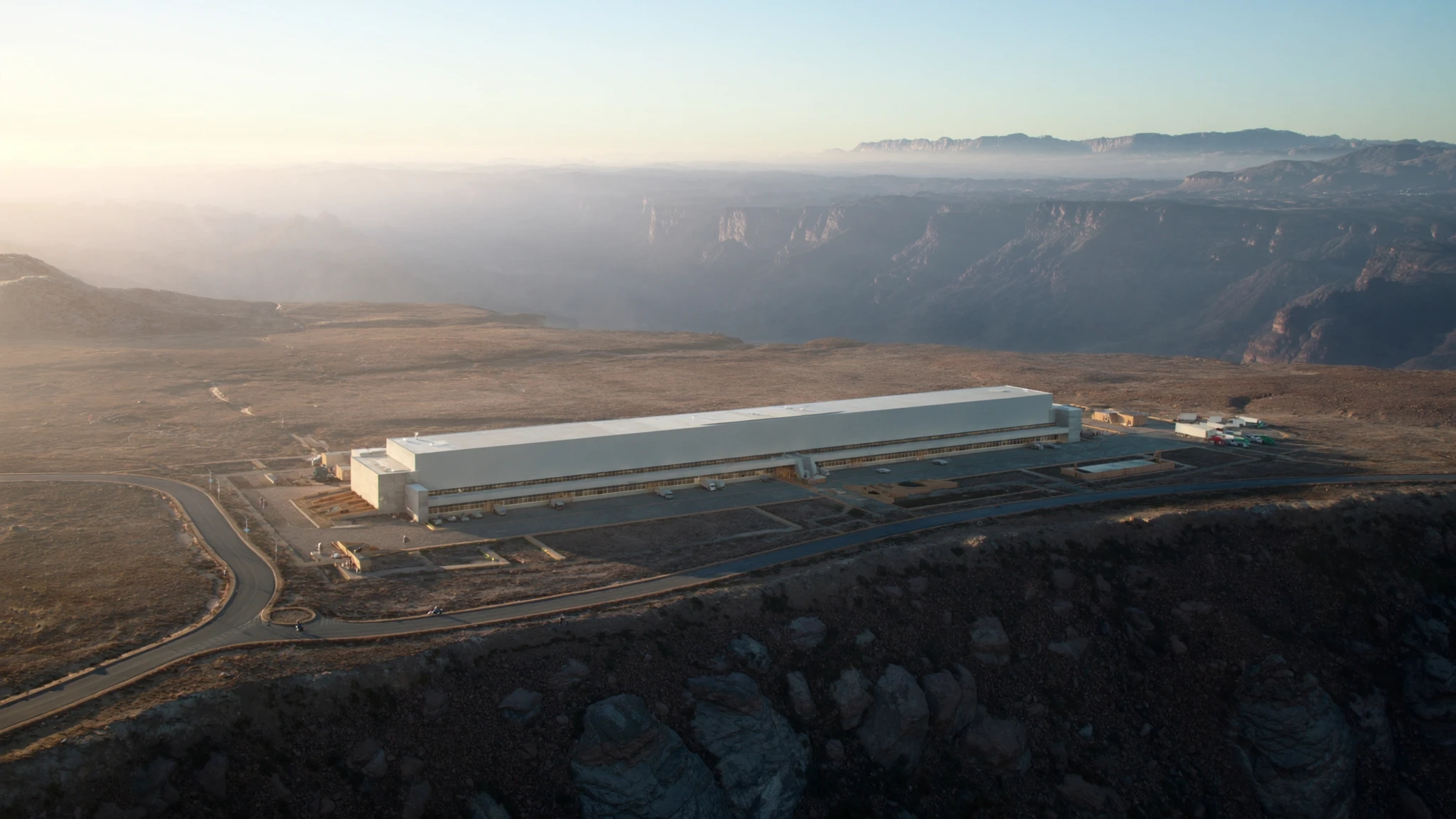
The scene should make the intended idea easy to follow. Choose camera angles, visible context and sequencing that help the audience understand the relationship being shown. For a warehouse proposal, that might mean beginning with a site overview before focusing on a loading area. For a staged operation, a storyboard can establish the proposed beginning, transitions and end. Detail that distracts from the message can be reduced.
Review the story before the finish
Check the arrangement, labels and visual sequence before refining materials and motion. Changes to the underlying story are easier to discuss while the presentation is still taking shape. A review should identify the source version, the person responsible for checking it and which changes have been requested. Visual approval means the agreed presentation is ready; it does not provide engineering sign-off or replace the responsible team’s operational checks.
Use generated imagery with a clear purpose
Vekt’s production approach can combine 3D scene building with AI-assisted imagery and motion. The agreed scope determines where each technique is useful. Generated detail can support atmosphere or demonstration, but should be checked against the information the audience needs to understand. The current website examples are labelled studio concepts. Their illustrative dimensions and compressed video transitions are not measurements or complete method statements for a real site.
Keep the delivered files together
A private project space brings the request and delivered files together. Clear names and version labels help reviewers find the output they need. Depending on the scope, results may include still images, videos, PDFs or supported interactive 3D files. Agree deliverable formats, review rounds and use of the final material before production. The initial enquiry is a starting conversation; it does not require a complete source pack or a commitment to commission work.